Best Aluminum Storm Windows: Thermal Performance & Retrofit Guide
Residential and commercial architectural envelopes face intense scrutiny as energy conservation codes tighten and weather volatility increases globally. Fenestration systems historically represent the single largest vulnerability in thermal containment, permitting high rates of conductive heat loss, convective drafts, and unmanaged solar radiation. While complete window replacement remains a common path, it frequently destroys irreplaceable historic craftsmanship, introduces massive embodied carbon expenditures, and strains project budgets. Auxiliary secondary glazing has thus emerged as a sophisticated branch of building envelope engineering.
Contemporary auxiliary glazing has moved far beyond the flimsy, unthermalized aluminum panels of the mid-twentieth century. Today’s architectural market incorporates thermally broken aluminum frames, spectrally selective low-emissivity glass, structural corner gussets, and high-compression weatherstripping. These technologies alter the thermodynamic properties of existing window assemblies, raising interior glass surface temperatures and stopping drafts before they impact living spaces.
Yet, navigating this technological evolution requires a rigorous understanding of building physics, vapor diffusion, and structural mechanics. Selecting optimal configurations among the best aluminum storm windows demands looking past retail marketing claims to evaluate dew-point placement, thermal bridging, and seasonal weather dynamics. This analysis explores the full technical spectrum of extruded metal secondary glazing solutions, establishing a definitive framework for architects, engineers, and property stewards managing advanced building envelope enhancements.
Understanding “best aluminum storm windows”
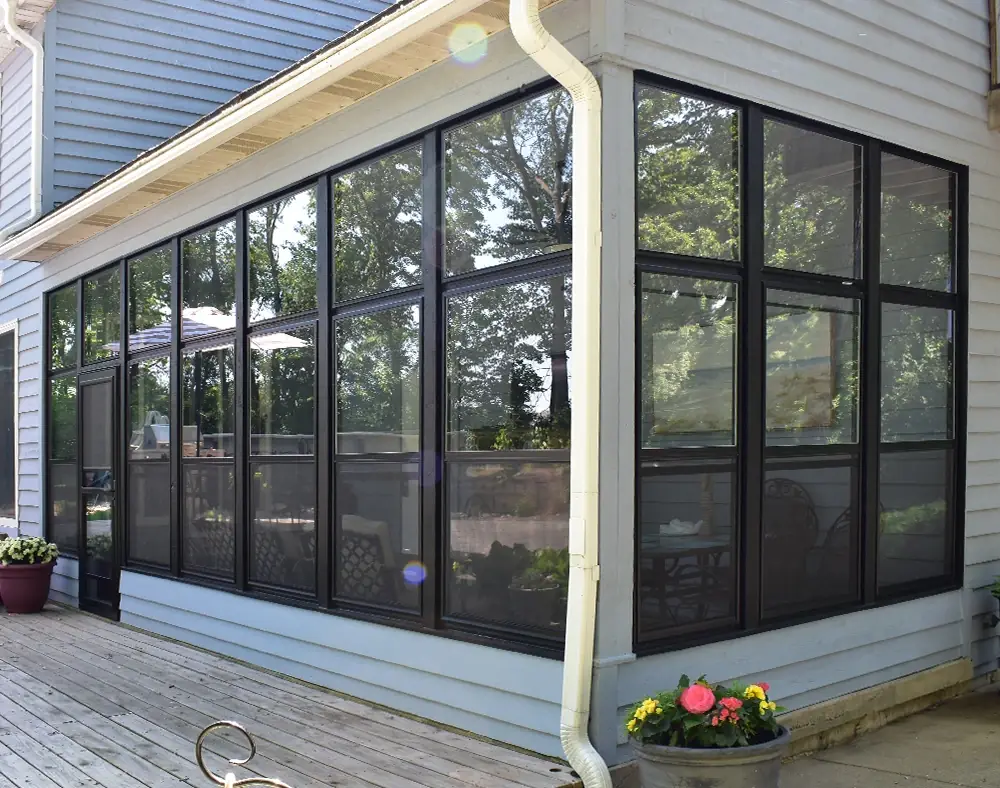
The phrase best aluminum storm windows frequently appears in consumer renovation guides as a catch-all descriptor for retail glass panels found in home improvement centers. Within professional facade engineering and building science, treating secondary weather protection as a homogeneous commodity introduces critical design errors. A configuration engineered for a mild coastal climate will fail structurally and thermally under the extreme sub-zero temperature gradients and heavy wind loads characteristic of northern inland regions.
Multi-Perspective Analysis
Manufacturers approach extruded metal secondary glazing through the lens of automated metal extrusion, standardized sizing tiers, and high-volume retail distribution. Meanwhile, building envelope scientists evaluate these exact same assemblies strictly through air exfiltration ratings, structural wind-load deflection limits, and frame thermal transmittance metrics. Furthermore, property occupants judge performance based on ease of seasonal operation, ventilation flexibility, and aesthetic integration. When technical consultants evaluate the best aluminum storm windows for a specific building project, they must balance these competing metrics against regional climate severity, historical codes, and architectural intent.
Common Misconceptions and Oversimplifications
A pervasive misconception is that adding any heavy-duty metal glass panel to an exterior window completely solves winter heat loss. In reality, thermal performance is dictated by the precise width of the interstitial air cavity, frame thermal breaks, and the emissivity rating of the glass panes. If an air gap is too narrow, conductive transfer dominates; if it is too wide, convective looping degrades the overall U-factor.
Another hazardous oversimplification assumes that exterior metal storms should be sealed completely airtight. If an exterior storm is sealed tighter than the interior window, indoor humidity migrating through wall cavities enters the dead-air space. Once trapped, this vapor hits sub-zero exterior glass, freezes into thick layers of frost, and melts during winter solar gains to rot structural sills. Professional evaluation must treat the building envelope as a dynamic, interconnected thermodynamic network.
Deep Contextual Background
The historical development of auxiliary exterior metal glazing reflects a continuous struggle against seasonal weather extremes. In early American and European vernacular architecture, occupants routinely installed secondary seasonal wooden frames glazed with thin glass or oiled paper to combat freezing drafts. These rudimentary interventions acknowledged an essential physical reality: a single pane of historic glass offers virtually no resistance to conductive heat loss.
By the mid-twentieth century, the widespread adoption of extruded aluminum revolutionized the market. Lightweight, corrosion-resistant aluminum triple-track storm windows became standard across suburban developments. These units integrated self-storing glass and insect screens on sliding tracks. While convenient, standard unthermalized aluminum frames possessed a severe thermodynamic flaw. Aluminum is an exceptional thermal conductor, creating a severe thermal bridge that fostered heavy condensation, interior ice damming, and subsequent water damage to surrounding wooden frames.
As energy conservation standards matured following the late-twentieth-century energy crises, the industry underwent a technical transformation. Manufacturers began engineering thermal breaks into aluminum extrusions, incorporating polyurethane barriers to decouple interior and exterior metal faces. Today, advanced variations of the best aluminum storm windows utilize spectrally selective low-emissivity glass coatings, heavy-gauge structural walls, and magnetic or compression gasketing. This evolution marks a shift toward scientifically rigorous envelope engineering that protects primary windows while maximizing northern energy retention.
Conceptual Frameworks and Mental Models
Analyzing the deployment of extruded metal secondary glazing in severe winter environments requires robust mental models that connect material science to building physics.
1. The Interstitial Cavity Thermodynamics Model
This model treats the air space between the primary window and the secondary storm as a closed or semi-regulated thermal buffer. The primary objective is to optimize conductive and convective resistance while controlling internal moisture behavior. According to this model, thermal resistance increases non-linearly with cavity thickness up to roughly three-quarters of an inch.
2. The Vapor Pressure Differential Framework
In cold climates, indoor relative humidity creates high vapor pressure that forces moisture outward through building assemblies. When assessing the best aluminum storm windows, this framework dictates that units must feature strategic weeping or venting on exterior frames to allow incidental vapor to escape harmlessly to the outside, preventing moisture entrapment.
3. The Thermal Break and Bridging Continuum
This mental model evaluates how heat travels through solid metal framing members. In sub-zero environments, continuous aluminum paths transfer heat rapidly from the interior to the freezing exterior air. Implementing polyurethane thermal breaks halts this conductive transfer, preventing localized freezing surfaces where interior moisture can condense and turn to frost.
4. The Solar Heat Gain and Heating Degree Day Balance
Cold-climate retrofits must balance winter conductive heat loss against the benefits of passive solar gain. In high heating-degree-day regions, selecting aluminum storm configurations with an optimized Solar Heat Gain Coefficient allows low-angle winter sunlight to supplement heating loads without overheating the building during shoulder seasons.
Key Categories or Variations
Formulating optimal specifications requires a granular evaluation of frame construction, thermal break engineering, glass types, and operational modes. Property owners seeking the best aluminum storm windows evaluate several distinct technological categories, each balancing winter thermal performance, frost resistance, and structural longevity.
1. Thermally Broken Heavy-Duty Extruded Aluminum Storms
Modern aluminum extrusions featuring structural polyurethane thermal breaks, heavy-gauge metal walls, and reinforced corners designed for high wind loads.
-
Trade-offs: They offer exceptional structural rigidity against heavy snow and wind, along with excellent resistance to frame warping. However, they carry higher initial material costs than unthermalized units.
-
Best Use: Severe northern climates, multi-story historic commercial buildings, and exposed rural residences subject to high wind pressures.
2. Triple-Track Combination Aluminum Storm Windows
Standardized extruded aluminum units featuring self-storing glass and screen panels moving on independent vertical tracks for seasonal ventilation.
-
Trade-offs: They provide versatile seasonal operation and affordability. Nevertheless, unthermalized models are prone to heavy frost accumulation in sub-zero weather.
-
Best Use: Mid-century residential housing and non-historic northern properties where seasonal operation is paramount.
3. Two-Track Self-Storing Aluminum Storm Windows
Streamlined aluminum frames featuring a fixed upper glass section and a single moving lower sash that houses both glass and screen inserts.
-
Trade-offs: They offer clean sightlines and simplified mechanical operation. However, ventilation area is restricted to fifty percent of the window opening.
-
Best Use: Suburban residential renovations and apartment complexes requiring straightforward operation and dependable weather protection.
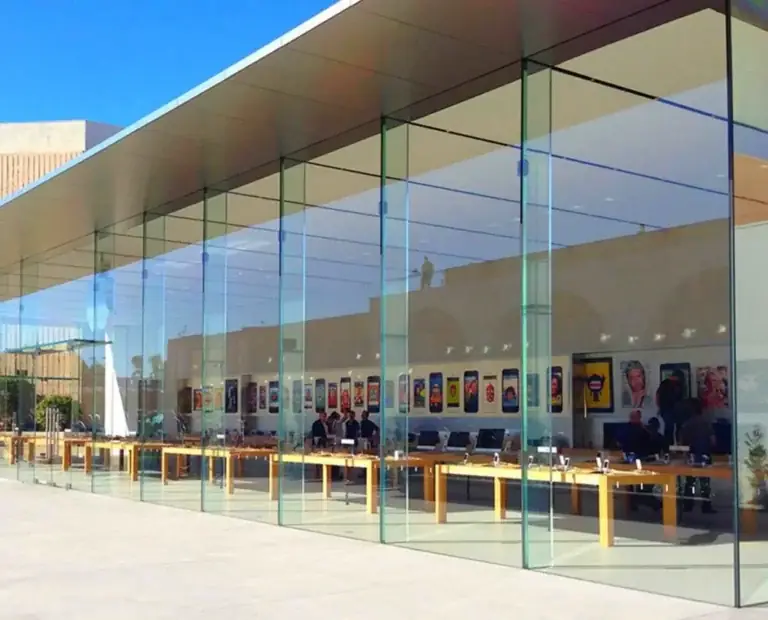
4. Heavy-Gauge Commercial Grade Aluminum Picture Storms
Fixed auxiliary aluminum panels engineered with robust framing profiles designed for large masonry openings and high-rise commercial structures.
-
Trade-offs: They provide maximum structural wind-load resistance and durability. Yet, they lack operational sashes for natural ventilation.
-
Best Use: Commercial historic preservation projects, institutional buildings, and large fixed architectural apertures.
5. Low-Profile Slim-Line Aluminum Storms
Narrow-profile extruded aluminum frames engineered specifically for shallow historic masonry openings where standard deep frames would project past exterior brick molds.
-
Trade-offs: They preserve historic exterior sightlines and fit restricted openings. However, their narrow frames offer reduced wind load resistance and lack thermal breaks.
-
Best Use: Historic urban townhouses and landmark architectural restorations with strict exterior sightline requirements.
6. Low-E Glass Integrated Aluminum Storms
Extruded aluminum frames glazed with advanced pyrolytic or sputtered low-emissivity glass to reflect radiant heat back into living spaces.
-
Trade-offs: They achieve superior U-factor ratings and reduce heating energy consumption dramatically. Yet, specialized glass increases total unit weight and acquisition cost.
-
Best Use: Energy retrofits in cold heating-degree-day regions where maximum thermal retention is prioritized alongside structural durability.
Comparative Evaluation Matrix
| Category | Typical U-Factor Range | Initial Cost | Thermal Break Integration | Sub-Zero Frost Resistance | Wind Load Resilience |
| Thermally Broken Heavy-Duty | 0.30 – 0.42 | Moderate to High | Yes (Polyurethane) | High | Exceptional |
| Triple-Track Combination | 0.40 – 0.55 | Low | Rare (Standard models) | Low (Prone to frosting) | Moderate |
| Two-Track Self-Storing | 0.38 – 0.52 | Low to Moderate | Optional | Moderate | Moderate |
| Commercial Grade Picture | 0.32 – 0.45 | High | Yes | High | Exceptional |
| Low-Profile Slim-Line | 0.45 – 0.60 | Moderate | No | Low | Moderate |
| Low-E Glass Integrated Aluminum | 0.28 – 0.38 | High | Yes | Exceptional | High |
Realistic Decision Logic
Choosing among top design options depends on climate severity, building height, and operational needs. In regions experiencing prolonged sub-zero winters with heavy wind-driven snow, unthermalized aluminum units are entirely unsuitable due to frost accumulation; professionals must specify thermally broken or low-E integrated aluminum models. When evaluating options for contemporary northern suburban homes, heavy-gauge thermally broken aluminum triple-track units provide a balanced combination of structural durability, seasonal ventilation, and winter thermal performance.
Detailed Real-World Scenarios
Analyzing practical deployment requires examining concrete scenarios where severe cold-climate boundary conditions dictate engineering choices for extruded metal retrofits.
A : A 1950s Brick Ranch in Chicago
-
Context: A northern residential home subjected to sub-zero winter temperatures, lake-effect wind gales, and significant heating energy costs.
-
Constraints: Original double-hung wood windows experience heavy interior frost formation and severe radiant drafts during winter storms.
-
Decision Path: Selection of exterior heavy-duty thermally broken aluminum storm windows equipped with pyrolytic Low-E glass coatings to reflect radiant heat back inside.
-
Failure Modes & Second-Order Effects: Because the exterior metal storm seals tightly against masonry, indoor humidity migrating through wall cavities condenses on the cold aluminum frame, causing localized freezing. Mitigation requires installing micro-weep ventilation slots and ensuring indoor humidity levels are managed through mechanical ventilation.
B : A Multi-Family Apartment Complex in Minneapolis
-
Context: A multi-story residential building facing high winter heating fuel costs and significant seasonal temperature swings.
-
Constraints: Budget limitations prevent full window replacement; tenants require simple, reliable operation of ventilation sashes.
-
Decision Path: Deployment of mid-tier self-storing aluminum storm windows equipped with pyrolytic low-E glass and reinforced corner hardware.
-
Failure Modes & Second-Order Effects: Tenants occasionally force stuck sashes upward during seasonal humidity swelling, damaging the weatherstripping seals. The mitigation requires installing metal-reinforced latches and providing tenant operational guidelines during annual maintenance cycles.
C : A Coastal Commercial Renovation in Portland, Maine
-
Context: A commercial building exposed to severe marine salt spray, high wind-driven rain, and freezing winter coastal gales.
-
Constraints: Exterior frames must resist saltwater corrosion while providing maximum structural wind-load resistance.
-
Decision Path: Installation of heavy-gauge architectural grade aluminum picture storm windows finished with marine-grade fluoropolymer paint and stainless steel fasteners.
-
Failure Modes & Second-Order Effects: Salt accumulation in the bottom sill tracks accelerates galvanic corrosion if aluminum touches dissimilar steel fasteners. The mitigation requires using stainless steel or nylon-coated hardware and regular freshwater rinsing during seasonal maintenance audits.
Planning, Cost, and Resource Dynamics
Executing a cold-climate secondary metal glazing retrofit requires careful economic modeling that incorporates direct acquisition expenses, specialized installation labor, and winter energy savings.
Cost Structure Breakdown
Financial planning for sub-zero aluminum upgrades must distinguish between material expenses and total installed costs. Thermally broken frames, low-E glass lites, and heavy-gauge architectural extrusions require higher material investments than standard unthermalized retail units. Furthermore, professional installation involving precise field-measuring, shimming out-of-square openings, and sealing exterior perimeters requires skilled labor, driving total project costs upward.
Opportunity Costs and Trade-offs
Opting for fixed picture aluminum storms provides exceptional thermal retention and durability, but eliminates the ability to operate primary windows for natural ventilation during summer months. Evaluating these choices requires weighing annual heating fuel reductions against user operational convenience and seasonal airflow requirements.
Range-Based Financial Matrix
| Metric / Expense Item | Entry-Tier (Standard Triple-Track) | Mid-Tier (Thermally Broken Aluminum) | Premium-Tier (Architectural Grade / Low-E) |
| Material Cost per Opening | $90 – $220 | $260 – $550 | $600 – $1,500+ |
| Specialized Installation Labor | $70 – $140 per window | $150 – $300 per window | $320 – $750 per window |
| Expected Asset Lifespan | 10 – 15 years | 20 – 30 years | 30 – 45+ years |
| Annual Maintenance Overhead | Low (Track cleaning) | Low (Gasket check) | Low (Lubrication and wash) |
| Estimated Heating Reduction | 10% – 20% | 20% – 35% | 30% – 45% |
Tools, Strategies, and Support Systems
Successful installation and long-term performance of extruded metal storm windows in harsh environments rely on deploying specialized tooling, diagnostic instruments, and weather-resistant fastening systems.
-
Digital Laser Distance Meters: Essential for achieving precision when measuring out-of-square exterior window casings prior to ordering custom-sized units.
-
Thermal Imaging Infrared Cameras: Deployed during peak winter heating conditions to verify the elimination of thermal bridging and air infiltration paths.
-
Stainless Steel and Silicone-Bronze Fasteners: Corrosion-resistant screws used for exterior frame mounting, preventing galvanic corrosion and rust staining.
-
Silicone Perimeter Joint Sealants: High-grade elastomeric sealants applied to exterior metal perimeters to prevent wind-driven rain penetration.
-
Silicone Dry-Film Track Lubricants: Specialized spray lubricants applied to sliding tracks and sash channels to ensure smooth operation without attracting dust.
-
Closed-Cell Foam Backer Rods: Applied beneath sill expanders to create a thermal and moisture barrier at the base of the installation.
-
Rivet Guns and Metal Punch Tools: Necessary for assembling custom-cut sub-frames and securing corner gussets during field modifications.
Risk Landscape and Failure Modes
Ignoring building science principles and installation guidelines when deploying aluminum auxiliary units introduces severe structural, biological, and thermal risks.
Taxonomy of Failure Modes
-
Thermal Bridging and Severe Frost Accumulation: Occurs when unthermalized aluminum frames conduct sub-zero cold inward, causing heavy interior condensation and ice damming.
-
Galvanic Corrosion at Fastener Junctions: Happens when dissimilar metals (such as standard steel screws in aluminum framing) react in the presence of moisture, causing structural degradation.
-
Track Freezing and Sash Jamming: High wind pressures force fine snow and moisture into bottom tracks during winter blizzards, freezing solid and locking operable sashes.
-
Frame Distortion from Overtightening: Overtightening mounting screws during installation warps parallel aluminum extrusions, causing sashes to bind and destroy weather seals.
Compounding Risks
These failure modes frequently interact in northern environments. For example, an unthermalized aluminum triple-track storm window is installed without a sloped sill expander, and exterior weep holes are blocked by debris. During a winter thaw, melting snow runs down the glass and pools in the bottom track. Because the metal conducts sub-zero cold, the pooled water freezes solid, cracking the lower track channel. When spring arrives, the ice melts and infiltrates the cracked channel, pooling directly against the primary window sill and initiating rapid wood rot.
Governance, Maintenance, and Long-Term Adaptation
Maintaining the mechanical operation and thermal performance of extruded metal storm windows requires structured monitoring protocols and proactive seasonal maintenance schedules.
Monitoring and Review Cycles
Property stewards and facility managers should execute a bi-annual audit of all auxiliary aluminum window installations during autumn preparation and spring thaw. The primary objective is to verify weatherstripping resilience, check for winter ice accumulation, and test the smooth mechanical operation of operable sashes.
Adjustment Triggers
-
Trigger 1: Sticking or binding sashes during seasonal temperature shifts indicate track distortion or lubrication loss, requiring immediate alignment checks.
-
Trigger 2: Visible frost patterns or water pooling inside the metal frame channels mandates immediate de-installation and sealing correction.
-
Trigger 3: Draft perception during winter gales indicates weather pile wear, requiring replacement of perimeter pile weatherstripping.
Layered Maintenance Checklist
-
Clear exterior sill weep holes and lower tracks of debris, dirt, and dead insects before winter freezes begin.
-
Clean aluminum frames and glass surfaces semi-annually using non-abrasive, pH-neutral cleaning solutions to prevent finish oxidation.
-
Lubricate sliding tracks semi-annually using a clean, non-tacky silicone spray to ensure effortless sash movement.
-
Inspect perimeter exterior caulking annually for cracking or separation and re-seal as necessary.
Measurement, Tracking, and Evaluation
Validating the return on investment, operational reliability, and thermal efficiency of extruded metal storm windows requires combining quantitative building science metrics with qualitative operational evaluations.
Leading vs. Lagging Indicators
-
Leading Indicators: Factory U-factor certifications, structural wind-load ratings, and professional installation checklists. These predict performance before weather exposure.
-
Lagging Indicators: Actual annual heating fuel reduction percentages, zero water infiltration reports over a five-year cycle, and maintained operational ease.
Qualitative vs. Quantitative Signals
Quantitative evaluation relies on blower-door air leakage testing and infrared thermography to confirm thermal bridging and radiant loss reduction. Qualitative signals include occupant reports regarding draft elimination, reduced street noise transmission, and pleasant interior radiant temperatures.
Documentation Protocols
Maintaining a rigorous installation and maintenance log ensures long-term building asset management. The documentation schema should include:
-
Baseline Specification Record: Manufacturer data sheets, U-factor ratings, frame specifications, and custom opening dimensions.
-
Installation Quality Log: Fastener torque notes, perimeter sealing records, and contractor warranty documents.
-
Seasonal Maintenance History: Bi-annual audit logs detailing track lubrication, weep hole clearing, and weatherstrip replacements.
Common Misconceptions and Oversimplifications
Clarifying the technical realities surrounding extruded metal auxiliary fenestration requires dismantling widely held industry myths.
-
Myth 1: All aluminum storm windows perform identically in freezing climates.
-
Correction: Unthermalized aluminum frames act as severe thermal bridges, causing heavy frost accumulation; true cold-climate performance requires polyurethane thermal breaks.
-
-
Myth 2: Aluminum storm windows never require maintenance or painting.
-
Correction: While durable, aluminum finishes oxidize over time and sliding tracks require regular cleaning and lubrication to prevent binding.
-
-
Myth 3: Sealing exterior aluminum storms airtight stops all heat loss.
-
Correction: Hermetically sealing an exterior metal storm traps indoor moisture, leading to heavy ice damming and wood rot; exterior units require controlled weep paths.
-
-
Myth 4: Modern aluminum storm windows ruin the exterior aesthetic of older homes.
-
Correction: Custom profile-matched and low-profile architectural aluminum frames integrate seamlessly with historic and contemporary facades alike.
-
-
Myth 5: Auxiliary metal panels replace the need for primary windows entirely.
-
Correction: Auxiliary units are protective and insulating shields designed to enhance primary windows, not act as standalone structural wall elements.
-
-
Myth 6: Professional installation is unnecessary for standard-sized aluminum storm units.
-
Correction: Precise shimming and square alignment are critical; out-of-square installation causes tracks to bind and destroys weather-tight performance.
-
Ethical, Practical, and Contextual Considerations
The selection and deployment of extruded metal auxiliary windows intersect directly with urban energy efficiency standards, affordable housing retrofit initiatives, and sustainable building management. In multi-family residential complexes and aging suburban housing stock, wholesale window replacement is often financially unattainable for property owners and tenants. High-performance aluminum storm windows provide a highly cost-effective, high-impact thermal retrofit strategy that cuts heating energy consumption and carbon emissions significantly without requiring major structural demolition.
Furthermore, by upgrading existing fenestration rather than discarding it into landfills, property stewards practice responsible material conservation. When facility planners evaluate and specify the best aluminum storm windows, they contribute to a broader culture of pragmatic sustainability—proving that energy efficiency and economic practicality can be achieved simultaneously across diverse building portfolios.
Conclusion
Extruded metal auxiliary storm windows represent a versatile and enduring solution for enhancing residential thermal performance and weather protection. By providing advanced structural rigidity, excellent wind-load resistance, and significant heating energy reductions when properly thermally broken, these systems serve as a cornerstone of practical building envelope retrofitting. Achieving optimal results requires an uncompromising rejection of simplistic retail assumptions in favor of rigorous engineering comparisons, thermal break specification, and disciplined seasonal maintenance. Whether deployed on a mid-century suburban home or a multi-story commercial asset, the careful selection and upkeep of aluminum secondary systems stands as an essential pillar of durable architectural management.