How to Manage Window Condensation: Building Science & Control Guide
Residential and commercial building envelopes operate under continuous thermodynamic pressure, balancing indoor environmental comfort against external climate extremes. Fenestration assemblies—windows, doors, and skylights—represent the most thermally dynamic components of any structure. Because glass and metal framing members typically exhibit higher thermal conductivity than adjacent insulated walls, they frequently become the primary points where indoor moisture vapor converts from a gas into liquid water.
Unmanaged liquid moisture on glass surfaces and framing channels is more than an aesthetic nuisance. Over time, persistent dampness degrades organic framing materials, fosters toxic mold colonies, and compromises structural integrity. Addressing this challenge requires moving past superficial surface wiping to master the psychrometric principles governing air temperature, relative humidity, and dew-point placement.
Learning how to manage window condensation demands a rigorous approach to building science, ventilation engineering, and interior climate control. This analysis explores the full technical spectrum of moisture mitigation strategies, establishing a definitive framework for architects, engineers, and property stewards managing advanced building envelope health.
Understanding “how to manage window condensation”
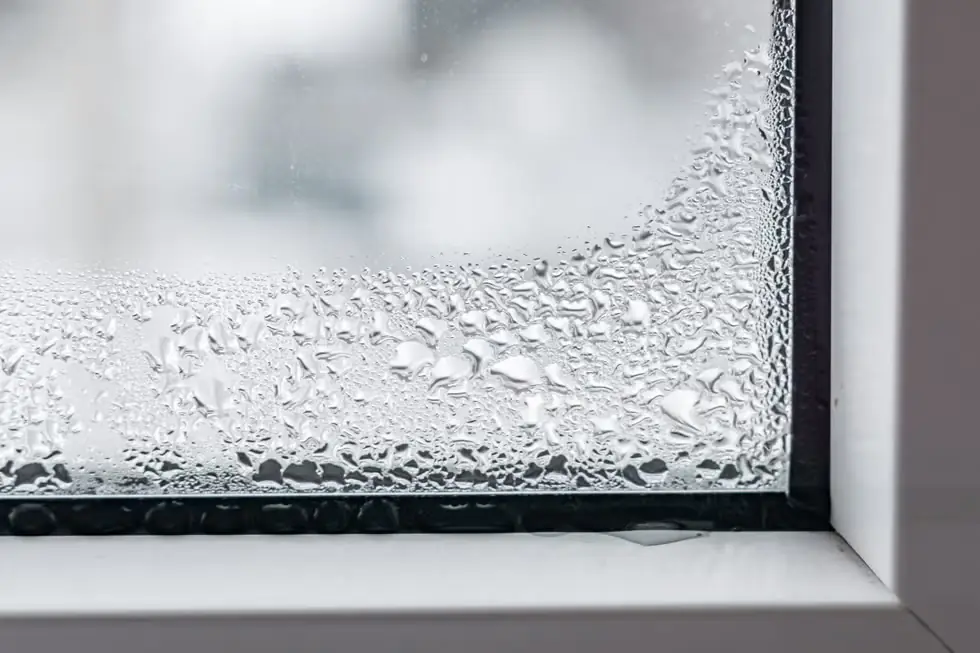
The phrase how to manage window condensation frequently appears in home improvement media as a collection of quick-fix tips, such as wiping sills with towels or turning on a ceiling fan. Within professional building science and indoor air quality engineering, treating surface moisture as a localized cleaning problem introduces critical diagnostic errors. Condensation is an indicator of systemic imbalances among interior humidity levels, building airtightness, and envelope thermal performance.
Multi-Perspective Analysis
HVAC engineers approach indoor moisture control through the lens of whole-building ventilation rates, CFM airflow calculations, and psychrometric chart analysis. Meanwhile, building envelope consultants evaluate moisture strictly through vapor pressure differentials, thermal bridging vectors, and dew-point boundaries across wall and window assemblies. Furthermore, occupants judge performance based on visibility, health, and comfort. When technical consultants evaluate strategies on how to manage window condensation for a specific residential or commercial project, they must synthesize these competing perspectives into an integrated control plan.
Common Misconceptions and Oversimplifications
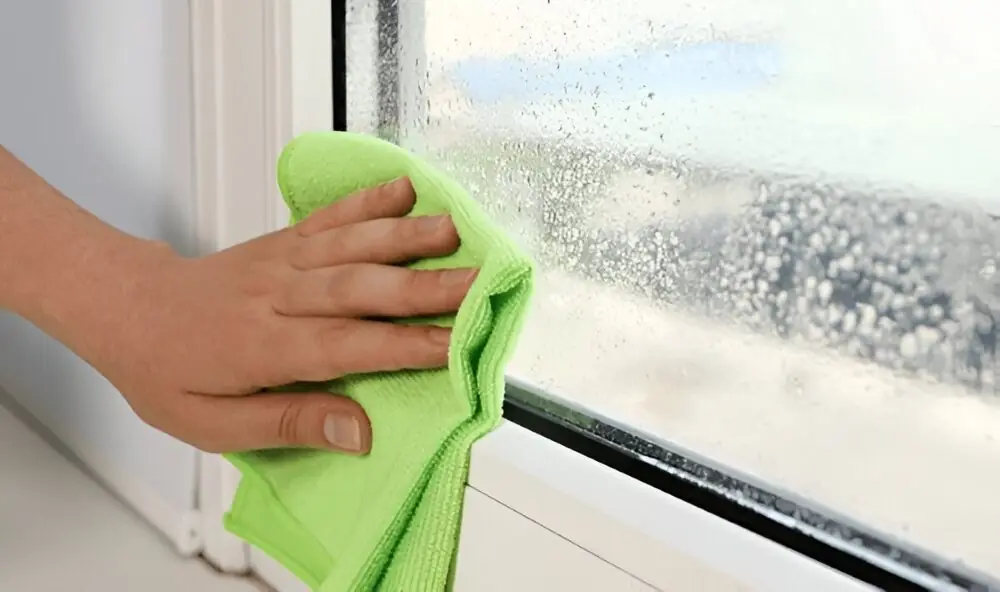
A pervasive misconception is that wiping away water droplets solves the underlying moisture problem. In reality, surface wiping only treats the symptom while the root cause—excess water vapor colliding with a surface chilled below the dew point—remains active.
Another hazardous oversimplification assumes that sealing a home completely airtight solves all drafts and moisture entry. While airtightness improves energy efficiency, sealing a structure without introducing mechanical ventilation traps indoor-generated water vapor from cooking, bathing, and breathing. This trapped moisture elevates indoor relative humidity, compounding window fogging and triggering structural decay within wall cavities. Professional evaluation must treat the building as an interconnected system where airflow and moisture migration are tightly linked.
Deep Contextual Background
The historical manifestation of moisture on glass has evolved alongside changes in architectural construction methods and energy standards. In pre-industrial vernacular buildings, high rates of natural air infiltration meant that interior humidity was constantly flushed out by cold, dry outdoor air. While these structures suffered from severe drafts and high heating fuel consumption, interior condensation on windows was relatively rare because indoor air was exceptionally dry.
The mid-twentieth century introduced advanced insulation, weatherstripping, and high-performance heating systems. While these technologies successfully reduced energy consumption, they also locked indoor moisture inside living spaces. Single-pane windows, which had always been cold, now faced significantly higher indoor relative humidity levels, turning interior glass surfaces into persistent condensation traps.
As building codes matured toward extreme energy conservation in the late twentieth and early twenty-first centuries, the fenestration industry introduced double-pane insulating glass units, low-emissivity coatings, and thermally broken frames. However, even modern high-performance windows can experience exterior or interior condensation under specific environmental conditions. Understanding the systemic evolution of airtight construction clarifies why moisture management has become a central pillar of modern building maintenance.
Conceptual Frameworks and Mental Models
Analyzing moisture behavior across fenestration assemblies requires robust mental models that connect thermodynamic principles to daily operational decisions.
1. The Psychrometric Dew-Point Threshold Model
This model maps the relationship between air temperature and relative humidity. It dictates that as warm, moisture-laden air comes into contact with a cold window surface, the air temperature drops to its dew point, forcing water vapor to transition into liquid.
2. The Vapor Pressure Differential Framework
This model tracks how moisture moves through building materials from areas of high vapor pressure (warm, humid interiors) to areas of low vapor pressure (cold, dry exteriors). Mitigation strategies must regulate this flow to prevent moisture from condensing inside structural cavities.
3. The Thermal Bridging and Surface Temperature Continuum
This mental model evaluates how heat travels through window frames and edge spacers. When framing materials lack thermal breaks, interior surface temperatures plummet, creating localized cold spots where condensation forms first.
4. The Whole-Building Moisture Balance Equation
This framework treats the building as a closed loop where internal moisture generation from occupants and activities must equal moisture removal via mechanical ventilation, dehumidification, and exfiltration.
Key Categories or Variations
Formulating optimal strategies for how to manage window condensation requires a granular evaluation of moisture sources, ventilation methods, and physical retrofits. Property owners and facility managers review several distinct technological and operational categories, each balancing indoor humidity control, mechanical complexity, and cost.
1. Source-Controlled Exhaust Ventilation Systems
Dedicated mechanical exhaust fans installed in high-moisture zones such as kitchens and bathrooms to capture water vapor at the point of generation.
-
Trade-offs: They prevent moisture from migrating through the house. However, they require rigid ductwork routing and careful makeup air balancing.
-
Best Use: Residential bathrooms, commercial kitchens, and high-occupancy spaces prone to acute vapor spikes.
2. Whole-House Mechanical Dehumidification
Refrigerant or desiccant dehumidification systems tied into central HVAC ductwork to extract ambient moisture from indoor air continuously.
-
Trade-offs: They provide precise relative humidity control across entire floor plans. Yet, they consume electrical energy and add capital equipment costs.
-
Best Use: Tight, energy-efficient homes in humid climates or sub-grade basements experiencing persistent seasonal moisture.
3. Energy Recovery and Heat Recovery Ventilators (ERVs/HRVs)
Balanced mechanical ventilation systems that exhaust stale, humid indoor air while incoming fresh outdoor air absorbs heat or moisture, maintaining indoor humidity balance.
-
Trade-offs: They maintain optimal indoor air quality and humidity without thermal penalties. However, initial equipment and installation costs are substantial.
-
Best Use: Modern airtight residential envelopes and commercial buildings requiring continuous fresh air exchange.
4. Secondary Glazing and Auxiliary Storm Panels
Interior or exterior secondary glass panels installed over primary windows to create an insulating air buffer and raise interior glass surface temperatures.
-
Trade-offs: They eliminate interior cold spots and stop surface condensation effectively. Yet, improper installation can trap vapor between glass layers.
-
Best Use: Historic properties and older homes with single-pane windows facing severe winter climates.
5. Surface-Applied Hydrophilic and Anti-Fog Coatings
Chemical treatments applied to interior glass surfaces that alter surface tension, causing condensation to form a thin, transparent film rather than heavy water droplets.
-
Trade-offs: They provide temporary visual relief from fogging. However, they do not reduce ambient humidity and require periodic reapplication.
-
Best Use: Commercial display windows, natatoriums, and residential bathroom glass requiring short-term visual clarity.
6. Thermal Break and Window Retrofit Assemblies
Replacing failing windows with high-performance units featuring inert gas fills, low-E coatings, and thermally broken composite or vinyl frames.
-
Trade-offs: They permanently raise interior glass surface temperatures and stop condensation. Nevertheless, capital expenditure is extremely high.
-
Best Use: Aging architectural envelopes with widespread window failure and structural frame deterioration.
Comparative Evaluation Matrix
| Category | Primary Mechanism | Initial Cost | Energy Impact | Maintenance Requirement | Effectiveness on Condensation |
| Point-Source Exhaust Fans | Moisture Extraction | Low to Moderate | Low | Low (Filter cleaning) | High (At source) |
| Whole-House Dehumidifiers | Vapor Condensation Removal | Moderate to High | Moderate | Moderate (Drain/Filter) | High (Whole building) |
| ERV / HRV Systems | Balanced Air Exchange | High | Low | Moderate (Core cleaning) | High (Air quality & humidity) |
| Secondary Glazing Panels | Thermal Buffer Creation | Moderate | Positive (Energy saving) | Low (Periodic cleaning) | High (Surface temperature) |
| Anti-Fog Surface Coatings | Surface Tension Alteration | Low | None | High (Frequent reapplication) | Low to Moderate (Visual only) |
| Full Window Replacement | Thermal Containment | Very High | Highly Positive | Low | Exceptional |
Realistic Decision Logic
Choosing among top control strategies depends on whether moisture appears on the interior, exterior, or within insulated glass cavities. Interior condensation indicates high indoor relative humidity or cold glass surfaces; mitigating it requires deploying source exhaust fans, whole-house dehumidification, or upgrading to thermally broken windows. Conversely, exterior condensation on the outer glass pane occurs naturally during clear, calm mornings when radiative cooling chills the glass below the outdoor dew point; this signals high thermal efficiency and requires no corrective intervention. When evaluating methods on how to manage window condensation, diagnosing the precise location of the moisture is the primary decision step.
Detailed Real-World Scenarios
Analyzing practical deployment requires examining concrete scenarios where complex boundary conditions dictate moisture management choices.
A : A 1920s Uninsulated Brick Bungalow in Chicago
-
Context: A northern residential home subjected to sub-zero winter temperatures and high indoor humidity generated by unvented gas cooking appliances.
-
Constraints: Original wood-frame single-pane windows stream water down sills, causing paint peeling and window frame rot.
-
Decision Path: The homeowner installs targeted exhaust fans in the kitchen and bathroom, adds a whole-house dehumidifier set to 35 percent relative humidity, and installs interior magnetic low-E acrylic storm panels.
-
Failure Modes & Second-Order Effects: Setting the dehumidifier too low causes occupant throat irritation and dry skin, while failing to seal the interior magnetic panel allows warm indoor air to bypass into the cavity, freezing against the storm glass. The correction involves balancing humidity at 40 percent and tightening perimeter magnetic gaskets.
B : A Sealed High-Rise Condominium in Seattle
-
Context: A modern glass-façade high-rise apartment exposed to persistent coastal winter rain, high outdoor humidity, and airtight construction standards.
-
Constraints: Operable windows are restricted by building management; occupants experience heavy morning condensation on double-pane aluminum frames.
-
Decision Path: The building management installs central ERV air exchange units and applies insulated thermal break tape to interior aluminum frame perimeters.
-
Failure Modes & Second-Order Effects: The thermal tape reduces metal frame condensation, but tenant cooking habits overwhelm the base ERV ventilation rate during evening hours. The resolution requires adjusting automated ERV boost sensors to ramp up airflow during peak kitchen hours.
C : An Indoor Swimming Pool Facility in Boston
-
Context: A commercial natatorium generating extreme indoor water vapor loads and continuous warm air temperatures.
-
Constraints: High interior vapor pressure forces moisture against exterior glass curtain walls, causing heavy dripping and structural corrosion.
-
Decision Path: Engineers deploy industrial dehumidification units combined with specialized low-E glass and warm-edge spacers, alongside automated directional ceiling jet nozzles that sweep dry air across the glass surface.
-
Failure Modes & Second-Order Effects: If the dehumidification compressors fail, interior condensation triggers rapid mold growth within forty-eight hours. Mitigation requires redundant backup dehumidifier systems and real-time humidity telemetry alarms.
Planning, Cost, and Resource Dynamics
Executing a comprehensive moisture management plan requires rigorous economic planning that incorporates diagnostic testing, mechanical equipment installation, and long-term energy adjustments.
Cost Structure Breakdown
Financial planning for condensation mitigation must distinguish between operational behavioral changes and capital equipment investments. Adjusting lifestyle habits, utilizing ceiling fans, and running existing exhaust fans carry zero capital cost. Conversely, installing whole-house dehumidification systems, balanced ERV ventilation, or replacing inefficient windows requires significant capital expenditure and skilled contractor labor.
Opportunity Costs and Trade-offs
Investing in mechanical ventilation systems increases baseline electrical consumption, but preserves the structural health of the building envelope and prevents costly mold remediation. Evaluating these trade-offs requires weighing operating utility expenses against long-term structural repair bills.
Range-Based Financial Matrix
| Metric / Expense Item | Behavioral & Operational Changes | Mid-Tier Mechanical Upgrades (Dehumidifiers / Fans) | Premium Envelope Upgrades (ERV / Replacement) |
| Capital Equipment Cost | $0 | $300 – $1,200 | $2,000 – $10,000+ |
| Professional Installation Labor | $0 | $150 – $500 | $800 – $3,500 |
| Operating Utility Impact | Negligible | Moderate (Electric load) | Low to Moderate |
| Maintenance Overhead | Time (Habit adherence) | Low to Moderate (Filter care) | Moderate (Duct and core care) |
| Condensation Reduction Efficiency | Low to Moderate | High | Exceptional |
Tools, Strategies, and Support Systems
Successful identification, measurement, and mitigation of window condensation rely on deploying specialized diagnostic tooling, measuring instruments, and environmental control systems.
-
Digital Hygrometers and Psychrometers: Essential for measuring indoor relative humidity and temperature in real-time across different living zones.
-
Infrared Thermometers and Thermal Cameras: Deployed to measure glass surface temperatures and locate thermal bridges around window frames.
-
Sleek Window Squeegees and Microfiber Towels: Practical manual tools used for immediate surface water removal to prevent localized sill saturation.
-
Programmable Humidistats: Electronic controllers wired to dehumidifiers or humidifiers that automatically regulate indoor moisture thresholds based on outdoor temperatures.
-
Window Insulation Shrink Film Kits: Temporary interior plastic film kits used to create a sealed dead-air buffer over drafty windows during winter months.
-
Airtight Foam Gaskets and Weatherstripping: Applied to interior window stop joints to prevent warm indoor air from leaking into cold framing pockets.
-
Smart Ventilation Control Switches: Automated bathroom and kitchen fan switches equipped with humidity sensors that run fans until moisture levels drop.
Risk Landscape and Failure Modes
Ignoring building science principles when addressing window moisture introduces severe structural, biological, and thermal risks.
Taxonomy of Failure Modes
-
Persistent Fungal Growth and Mold Colonization: Occurs when unmanaged window condensation saturates wooden sills and drywall, creating ideal conditions for toxic mold spores.
-
Structural Wood Rot and Sill Decay: Prolonged moisture pooling softens wood fibers, leading to deep structural rot that compromises window frame attachment.
-
Insulating Glass Unit (IGU) Internal Fogging: Happens when seal failure allows ambient moisture to enter the sealed space between glass panes, ruining thermal performance permanently.
-
Interior Finish Delamination and Paint Failure: Water dripping down walls and sills causes paint bubbling, drywall degradation, and wallpaper peeling.
Compounding Risks
These failure modes frequently interact in cold environments. For example, a homeowner notices heavy interior window condensation but ignores it, relying on paper towels to wipe the glass each morning. Unseen water seeps beneath the wooden window stop into the rough framing pocket. Over a single winter, trapped moisture feeds mold growth and initiates wet rot in the structural sub-sill. When spring arrives, the rotted wood loses its structural rigidity, causing the window frame to sag and break the exterior caulking seal, allowing rainwater infiltration during spring storms.
Governance, Maintenance, and Long-Term Adaptation
Maintaining optimal indoor humidity and preventing window moisture requires structured monitoring protocols and proactive seasonal maintenance schedules.
Monitoring and Review Cycles
Property stewards and homeowners should execute a monthly audit of indoor relative humidity and window surface conditions throughout the heating season. The primary objective is to catch rising humidity spikes before condensation forms on glass surfaces.
Adjustment Triggers
-
Trigger 1: Water droplet accumulation covering more than ten percent of the lower glass pane indicates indoor relative humidity is too high for current outdoor temperatures.
-
Trigger 2: Musty odors or visible black spots on window sills signal active mold colonization, requiring immediate cleaning and humidity reduction.
-
Trigger 3: Mechanical exhaust fan noise or reduced airflow indicates lint or dust buildup, requiring immediate duct and grille cleaning.
Layered Maintenance Checklist
-
Clean exhaust fan grilles and filters semi-annually to ensure rated airflow capacity is maintained.
-
Calibrate digital hygrometers annually using a salt-test calibration method to ensure accurate relative humidity readings.
-
Inspect interior window caulking and paint seals annually for cracking or separation and re-seal as necessary.
-
Adjust whole-house dehumidifier or humidistat setpoints downward as outdoor winter temperatures drop.
Measurement, Tracking, and Evaluation
Validating the success of moisture mitigation strategies requires combining quantitative building science metrics with qualitative environmental evaluations.
Leading vs. Lagging Indicators
-
Leading Indicators: Stable indoor relative humidity readings below targeted winter maximums and verified surface temperature differentials. These predict moisture control before condensation occurs.
-
Lagging Indicators: Zero morning water droplet accumulation on glass panes, absence of mold growth on window sills, and maintained structural wood integrity over a multi-year cycle.
Qualitative vs. Quantitative Signals
Quantitative evaluation relies on psychrometric chart calculations, digital hygrometer logs, and infrared thermal scans. Qualitative signals include occupant comfort reports, the absence of musty odors, and clear, dry glass surfaces during cold weather mornings.
Documentation Protocols
Maintaining a rigorous moisture tracking log ensures long-term building asset management. The documentation schema should include:
-
Baseline Environmental Log: Initial indoor temperature, relative humidity, and outdoor weather conditions recorded during peak winter weeks.
-
Mitigation Equipment Record: Specifications, installation dates, and maintenance schedules for dehumidifiers, exhaust fans, and ventilation units.
-
Seasonal Condensation Audit: Monthly logs tracking window moisture presence, surface temperature readings, and corrective actions taken.
Common Misconceptions and Oversimplifications
Clarifying the technical realities surrounding window moisture requires dismantling widely held industry myths.
-
Myth 1: Window condensation means the windows are defective and need replacement.
-
Correction: Condensation is driven by indoor humidity and surface temperature; even brand-new high-performance windows can condense if indoor humidity is excessively high.
-
-
Myth 2: Turning up the household heating eliminates window condensation.
-
Correction: Increasing air temperature without reducing moisture content actually increases the air’s moisture-holding capacity, but if glass surface temperatures remain below the dew point, condensation persists.
-
-
Myth 3: Exterior window condensation indicates a failed insulating glass unit.
-
Correction: Exterior condensation on the outer pane is normal and indicates high thermal efficiency; interior or inter-pane condensation signals failure or high humidity.
-
-
Myth 4: Opening windows for five minutes completely solves chronic winter condensation.
-
Correction: While brief purging helps, continuous moisture generation from occupants and cooking will re-elevate indoor humidity rapidly once windows are closed.
-
-
Myth 5: Dehumidifiers consume too much energy to be practical for condensation control.
-
Correction: Modern Energy Star dehumidifiers operate efficiently and prevent thousands of dollars in structural mold and rot remediation expenses.
-
-
Myth 6: Wiping water off glass daily is an effective long-term management strategy.
-
Correction: Daily wiping is a temporary band-aid that fails to address the root thermodynamic imbalance between indoor humidity and glass surface temperature.
-
Ethical, Practical, and Contextual Considerations
The effective management of indoor moisture and window condensation intersects directly with occupant health, structural durability, and sustainable building management. Chronic indoor condensation and unaddressed mold growth pose severe respiratory health risks, particularly for vulnerable populations such as children and the elderly. Furthermore, allowing moisture to rot wooden structural envelopes wastes embodied carbon and accelerates premature building degradation.
When property stewards master how to manage window condensation through balanced ventilation, psychrometric awareness, and appropriate mechanical upgrades, they protect both human health and physical assets. This comprehensive approach proves that long-term building durability requires respecting the invisible thermodynamic laws governing indoor environments.
Conclusion
Managing window condensation represents a critical discipline at the intersection of building physics, indoor air quality, and structural maintenance. By shifting focus from surface wiping to whole-building humidity control, thermal break specification, and balanced ventilation, property owners can eliminate destructive moisture accumulation. Achieving lasting results requires an uncompromising commitment to monitoring dew-point thresholds, maintaining mechanical ventilation systems, and understanding psychrometric realities. Whether applied to a historic residential homestead or a modern high-rise commercial asset, mastering moisture control stands as an indispensable pillar of enduring architectural stewardship.