How to Avoid Moisture Damage in Winter | Expert Engineering Guide
Winter transforms the built environment into a pressure cooker of thermodynamic contradictions. As outdoor temperatures plummet, indoor heating systems activate. This creates a sharp vapor pressure differential between conditioned interior air and frozen exterior elements.
This invisible gradient forces warm, moist air outward. When this migrating moisture encounters a cold boundary layer, it condenses. Thus, it turns from vapor into liquid water. This initiates material degradation and structural decay. Mastering how to avoid moisture damage in winter requires recognizing a key fact. Seasonal dampness is rarely an isolated leak. Instead, it is a systemic symptom driven by airflow dynamics and thermal bridging.
Property owners often misinterpret winter moisture as a sudden calamity. Consequently, they react with superficial band-aids like portable dehumidifiers. However, genuine structural resilience demands a proactive approach. The building envelope acts as an interconnected assembly. Heating, ventilation, and insulation must operate in precise synchronization. Ignoring this equilibrium traps self-generated humidity indoors.
This reference manual explores cold-weather moisture control. By dissecting psychrometric principles and material science, this guide provides an authoritative roadmap. Through rigorous analysis, facility managers can safeguard structural integrity.
Understanding “how to avoid moisture damage in winter”
The mechanics behind how to avoid moisture damage in winter are often obscured by general advice. People are told to simply ventilate more. In reality, effective moisture control is a delicate balance. It involves psychrometrics, pressure differentials, and material permeance.
When warm interior air slips through drywall gaps, it enters wall cavities. As it reaches framing cooled by sub-freezing air, relative humidity spikes. Moisture then forces its out onto wood sheathing.
A common miscalculation in pursuing how to avoid moisture damage in winter involves heating alone. While warmer air holds more moisture, it increases vapor pressure against the envelope. If the envelope lacks an air barrier, this pressure accelerates exfiltration. True mastery of how to avoid moisture damage in winter requires managing air movement and vapor diffusion simultaneously.
Oversimplifying the issue leads to unintended consequences. For instance, sealing a home too tightly traps cooking and pet humidity indoors. Conversely, over-ventilating with freezing dry air drives up heating costs. Solving the puzzle requires a layered approach.
Deep Contextual Background: The Evolution of Envelope Tightness
To understand winter moisture challenges, one must trace past architectural standards. Historically, buildings were naturally leaky. Traditional construction utilized breathable lime plasters and open cavities. These structures leaked air so rapidly that indoor moisture was constantly flushed out. While thermally inefficient, these assemblies rarely suffered from trapped moisture.
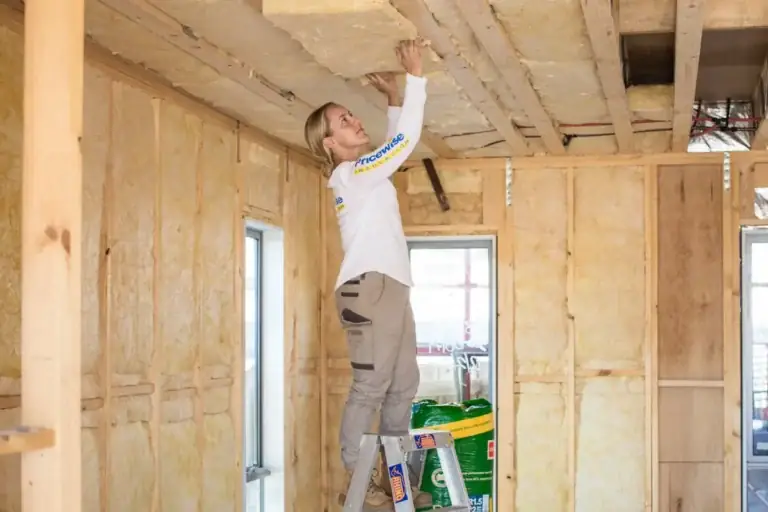
The energy crises of the 1970s altered this dynamic. Surging fuel costs forced codes to mandate higher insulation and stricter air-tightness. Builders wrapped structures in dense fiberglass batts and vapor barriers. These measures lowered energy consumption. However, they created closed thermodynamic systems.
As envelopes grew tighter, buildings stopped breathing. Moisture generated by daily living remained trapped inside. Without engineered ventilation, this humidity sought out paths of least resistance. The modern battle against winter moisture is a direct consequence of this historical transition.
Conceptual Frameworks and Mental Models
Analyzing winter moisture dynamics requires specific mental models. They bridge building science, thermodynamics, and material behavior.
-
The Air Leakage vs. Vapor Diffusion Model: Air movement carries most moisture into wall cavities via convection. Meanwhile, vapor diffusion moves only a small fraction. Therefore, vapor barriers alone cannot prevent damage without air sealing.
-
The Dew Point Boundary Principle: As humid air moves through a wall, its temperature drops. The point where it hits its dew point marks condensation. Continuous exterior insulation keeps framing warm to prevent this.
-
The Drying Potential Matrix: Every building component absorbs and releases moisture. A resilient envelope must possess greater drying potential in summer than its wetting potential in winter.
-
The Stack Effect Pressure Engine: Warm air rises inside a building, creating positive pressure at upper levels. This forces warm air out through ceilings, pulling dry air in below.
Key Categories or Variations of Seasonal Vulnerabilities
Winter moisture issues manifest differently depending on styles, locations, and materials. Identifying the specific vulnerability dictates the appropriate engineering intervention.
-
Attic Frost and Bypass Condensation: Warm air leaks into cold attics, freezing against roof sheathing. Trade-off: Easy to inspect, but remediation requires extensive drywall sealing.
-
Basement Capillary Seepage: Saturated soils press against foundations, driving moisture inward. Trade-off: Exterior excavation is durable; interior drainage manages water after entry.
-
Rim Joist Dampness: The junction between wood framing and concrete foundations suffers from thermal bridging. Trade-off: Spray foam solves air and thermal issues, but can hide decay.
-
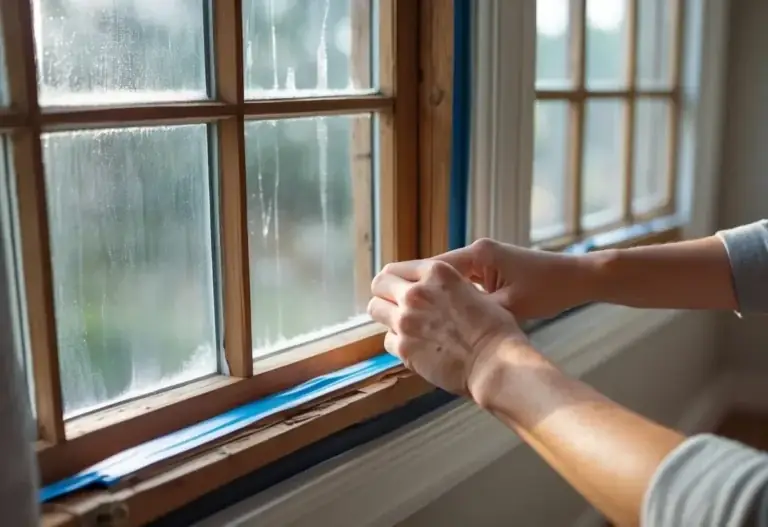
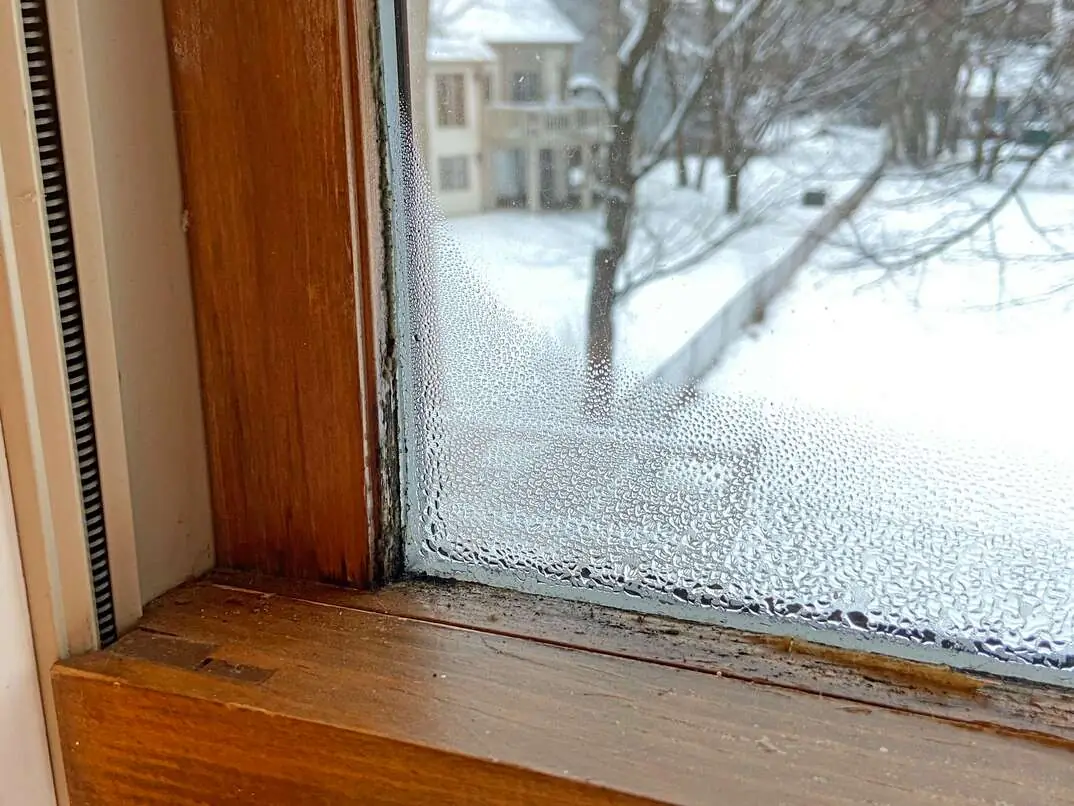
Window Thermal Bridging: Metal window frames drop below the dew point, pooling condensation. Trade-off: Surface management is immediate; permanent resolution demands replacement.
-
Plumbing Wall Freezing: Exterior-facing walls experience extreme temperature gradients, creating pipe condensation. Trade-off: Rerouting pipes is costly.
-
Ice Dam Accumulation: Heat loss through ceilings melts snow; water refreezes at cold eaves. Trade-off: Heat cables offer temporary relief, while air sealing provides permanent fixes.
Decision Logic for Vulnerability Remediation
Selecting the correct strategy requires diagnostic triage. When dealing with upper-level moisture, priority goes to air-sealing ceiling penetrations. For below-grade issues, exterior water management must precede interior repairs. In humid spaces, deploying balanced mechanical ventilation establishes baseline air exchange.
Detailed Real-World Scenarios
Theoretical frameworks materialize through specific structural failures and investigative interventions.
A : The Historic Brick Masonry Retrofit
A multi-family apartment building underwent an interior insulation upgrade using spray foam applied directly against historic brick.
-
Constraints: Exterior facade preservation mandates prohibited alterations; budget limited interior rework.
-
Decision Points: Engineers debated vapor-permeable batts versus impermeable spray foam.
-
Failure Modes: The foam blocked interior heat. During winter, trapped moisture froze inside the outer wythe, causing masonry spalling.
-
Second-Order Effects: The failure required complete removal of the insulation and redesigning the assembly.
B : The Modern Air-Tight Suburban Residence
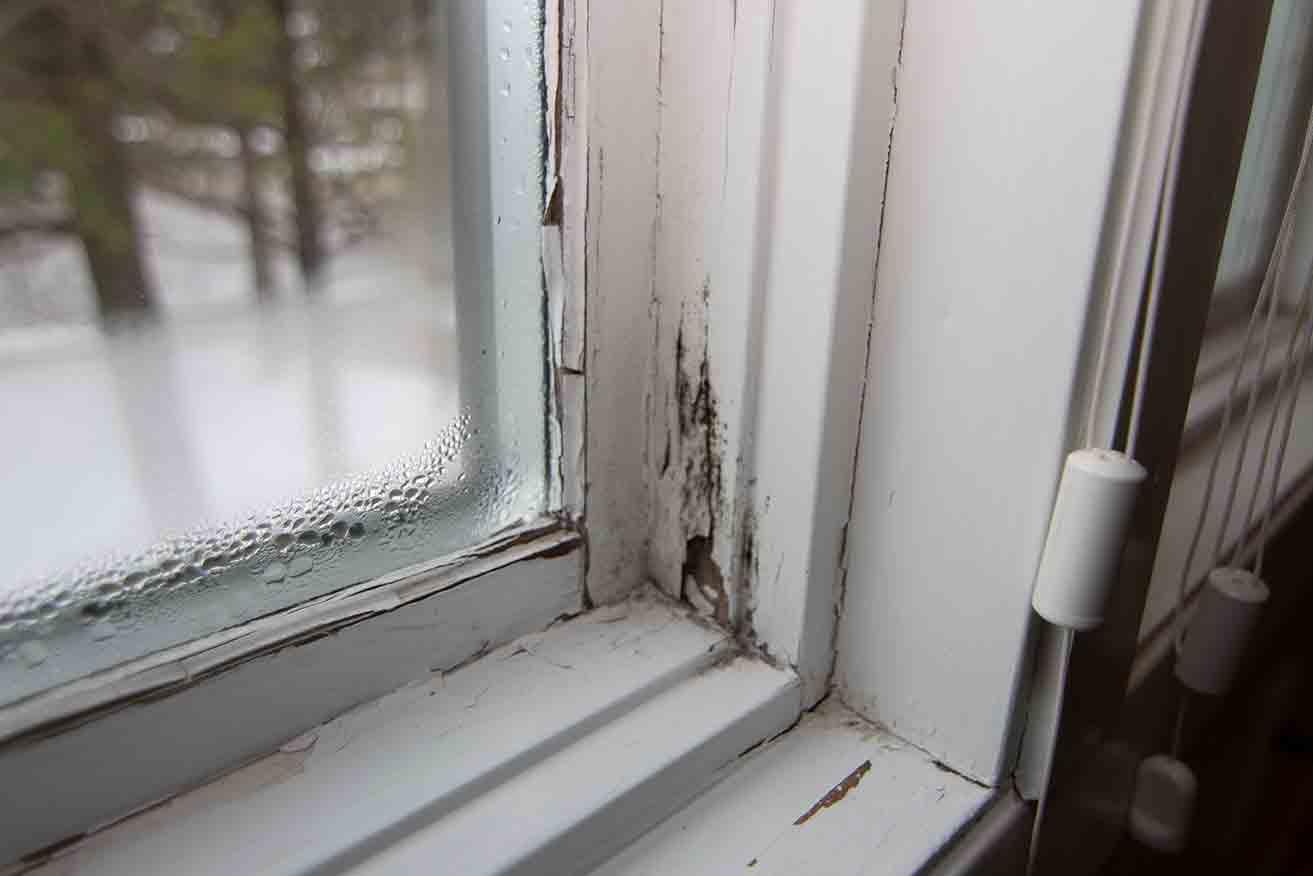
A newly constructed home experienced window condensation and mold growth along northern-facing corners.
-
Constraints: Extreme airtightness; absence of mechanical ventilation.
-
Decision Points: Homeowners evaluated portable dehumidifiers versus a dedicated fresh air system.
-
Failure Modes: Airtight construction trapped indoor humidity, driving moisture toward thermal bridges.
-
Second-Order Effects: Retrofitting an energy recovery ventilator balanced indoor humidity levels.
C : The Mountain Cabin Attic Ice Dam Crisis
A high-altitude cabin suffered repeated interior ceiling leaks whenever heavy snow blanketed the roof.
-
Constraints: Sloped wooden ceilings with zero attic clearance.
-
Decision Points: Owners weighed exterior over-insulation panels against roof heating cables.
-
Failure Modes: Uncontrolled heat loss melted snow from underneath, creating ice dams at eaves.
-
Second-Order Effects: Installing an exterior insulation deck stopped heat loss and eliminated ice dams.
D : The Commercial Office Sub-Grade Storage Vault
An underground archive facility experienced musty odors and damp flooring during cold snaps.
-
Constraints: Concrete walls tied to property lines, preventing exterior waterproofing.
-
Decision Points: Managers evaluated vapor-barrier paints versus a comprehensive interior drainage chase system.
-
Failure Modes: Surface vapor paints blistered under continuous hydrostatic vapor drive.
-
Second-Order Effects: Implementing an interior water management cavity system protected paper archives.
Planning, Cost, and Resource Dynamics
Addressing winter moisture vulnerabilities requires balanced resource allocation across labor, diagnosis, and investments. Direct costs encompass diagnostic testing, physical repairs, and mold remediation. Indirect costs involve temporary displacement and engineering fees.
| Intervention Category | Typical Cost Range | Primary Resource Requirement | Expected Payback Horizon |
| Targeted Air Sealing & Insulation | Low to Moderate | Blower door technicians, spray foam | Immediate energy and moisture protection |
| Mechanical Ventilation (HRV/ERV) | Moderate to High | HVAC contractor, ductwork modifications | 3 to 7 years via energy recovery |
| Exterior Drainage & Waterproofing | High | Excavation equipment, masonry specialists | Long-term structural preservation |
| Interior Drainage & Sump Systems | Moderate | Concrete contractors, sump pumps | Immediate mitigation of active seepage |
Opportunity costs must also be factored. Delaying remediation results in exponential repair costs as minor dampness escalates into structural decay.
Tools, Strategies, and Support Systems
Successful moisture management relies on an integrated suite of diagnostic instruments and professional support.
-
Thermal Infrared Cameras: Used for identifying hidden thermal bridges and cold spots.
-
Digital Hygrometers: Deployed to continuously track temperature and relative humidity.
-
Blower Door Testing Apparatus: Used to pressurize a building shell and reveal air leakage locations.
-
Wood Moisture Meters: Measure precise moisture content within framing lumber.
-
WUFI Hygrothermal Modeling Software: Used to calculate transient heat and moisture transfer.
-
Whole-House Ventilation Controllers: Automated systems that trigger mechanical air exchange.
-
Borescope Inspection Cameras: Used to view the interior condition of closed wall cavities.
-
Envelope Commissioning Engineers: Specialists providing design reviews and diagnostic verification.
Risk Landscape and Failure Modes
Ignoring winter moisture dynamics introduces a cascade of structural risks.
-
Unchecked Structural Wood Decay: When wood framing remains wet, wood-decay fungi proliferate rapidly.
-
Aggressive Mold Proliferation: Hidden condensation provides ideal conditions for toxic mold species to colonize.
-
Insulation R-Value Degradation: Insulation loses its thermal resistance entirely when saturated.
-
Freeze-Thaw Masonry Spalling: Water trapped inside masonry pores expands upon freezing, shattering faces.
-
Corrosion of Fasteners: Condensation accelerates galvanic corrosion on structural metal connectors.
Governance, Maintenance, and Adaptation
A resilient envelope requires structured governance, routine inspection cycles, and disciplined maintenance.
-
Pre-Winter Diagnostic Audit: Conducted every autumn to verify ventilation and seals.
-
Mid-Winter Humidity Spot Checks: Routine monthly reviews of indoor relative humidity.
-
Spring Thaw Post-Mortem Inspection: Comprehensive checks of attics and basements immediately following the thaw.
-
Exhaust System Maintenance: Scheduled cleaning of bathroom and kitchen exhaust ducts.
-
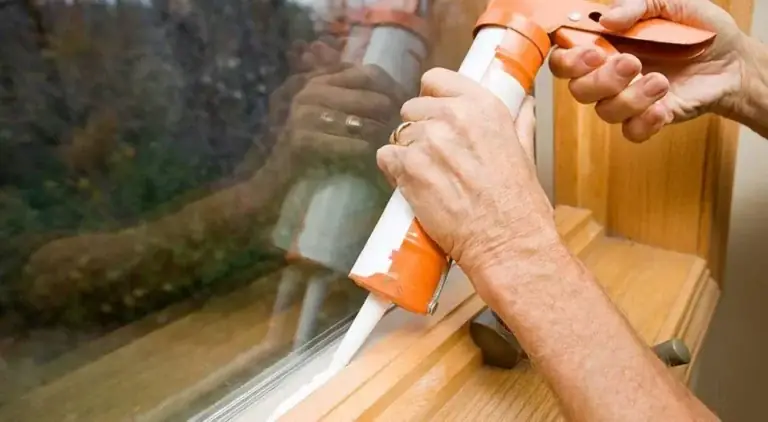
Envelope Sealant Renewal: Systematic replacement of exterior caulking on a 5- to 7-year rotation.
-
Adaptive Ventilation Adjustments: Modifying schedules based on occupancy changes.
Measurement, Tracking, and Evaluation Metrics
Evaluating winter moisture control strategies requires quantitative instrumentation and qualitative observation.
-
Relative Humidity Setpoints: Tracking indoor humidity to prevent window condensation.
-
Framing Moisture Content: Maintaining wood framing below fifteen percent moisture content.
-
Air Change Rate Verification: Measuring airtightness to confirm targets align with ventilation capacity.
-
Qualitative Audits: Regular checks for musty odors, peeling paint, or frost patterns.
Common Misconceptions and Oversimplifications
Discussions surrounding cold-weather dampness are clouded by persistent myths.
-
Myth 1: Opening windows in winter is the best way to control humidity. Correction: It wastes thermal energy, whereas balanced ventilation manages moisture efficiently.
-
Myth 2: Vapor barriers should always be on the warm side. Correction: Climate zone dictates strategy; in cooling climates, barriers can trap summer moisture.
-
Myth 3: Spray foam eliminates the need for ventilation. Correction: Airtight homes still require dedicated mechanical ventilation for occupant health.
-
Myth 4: Ice dams are caused by poor roof shingles. Correction: Ice dams are driven by conductive heat loss from the living space.
-
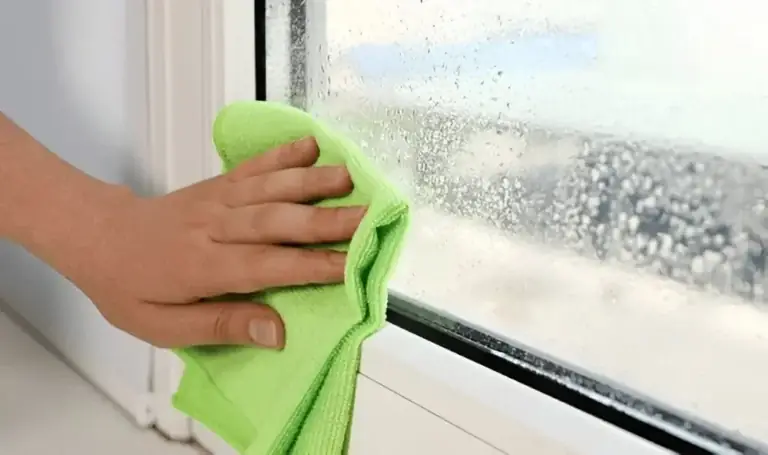
Myth 5: Small window condensation spots are harmless. Correction: Window condensation warns that whole-house humidity is dangerously high.
-
Myth 6: Dehumidifiers solve basement moisture permanently. Correction: They only treat symptoms if exterior bulk water entry persists.
-
Myth 7: Newer materials are immune to winter decay. Correction: Engineered woods are often more sensitive to trapped moisture if installed incorrectly.
-
Myth 8: Winter dryness means moisture damage cannot occur. Correction: Dry outdoor air coexists with high indoor humidity, creating powerful vapor pressure differentials.
Ethical and Contextual Considerations
Beyond mechanics, winter moisture management carries ethical responsibilities. Providing a dry, healthy indoor environment is a prerequisite for habitation. Chronic dampness breeds mold that triggers respiratory illnesses. Responsible property stewardship balances energy efficiency with indoor environmental quality.
Conclusion
Managing cold-weather moisture requires a sophisticated understanding of building physics, thermodynamic forces, and systemic envelope design. Protecting a structure against seasonal dampness transcends simple housekeeping. By replacing reactive habits with diagnostic planning, property owners can ensure long-term structural resilience and maintain a healthy indoor environment.