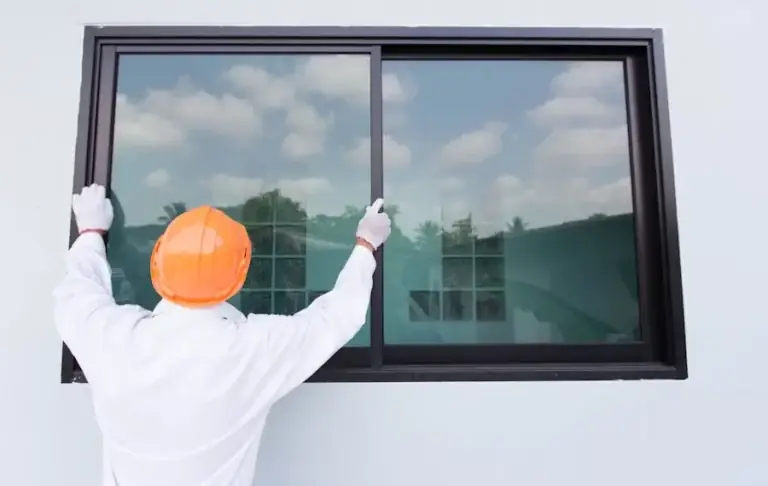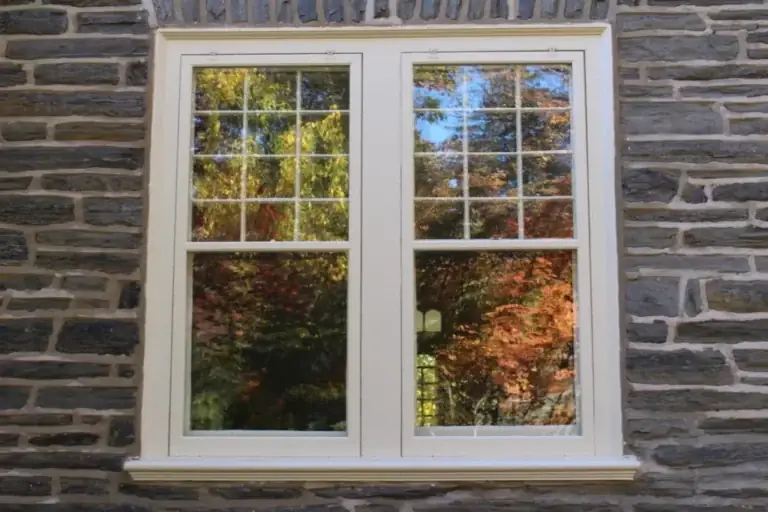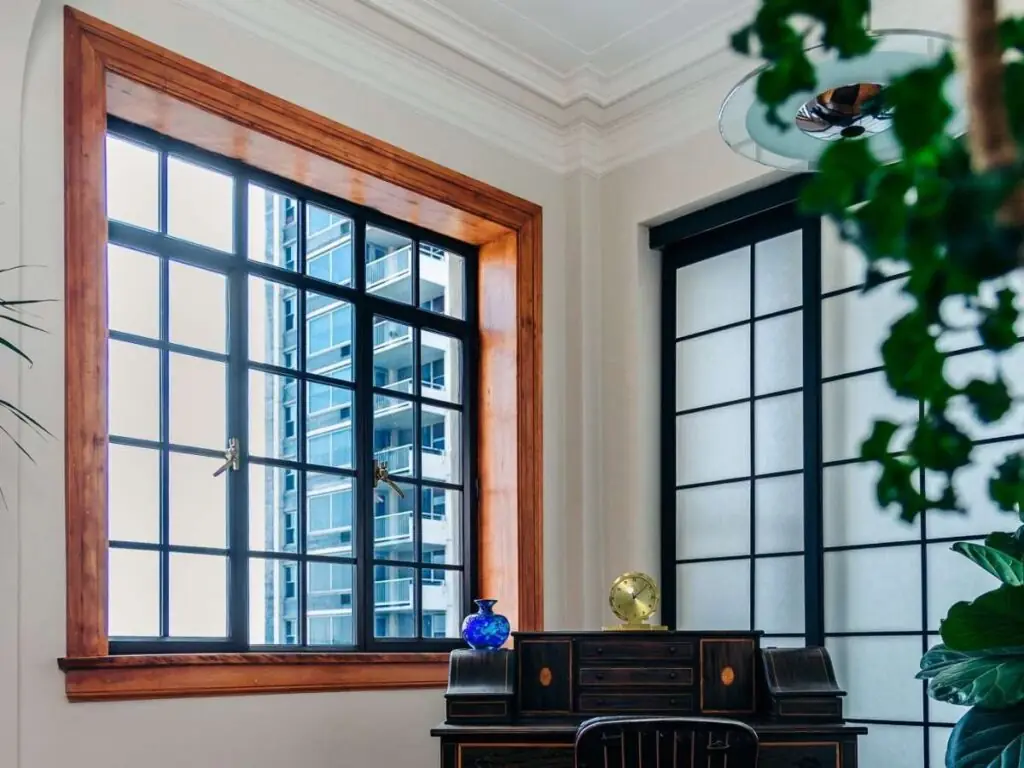
Best Storm Windows for Rental Properties: Asset Management Guide
Residential property management frequently encounters a persistent economic and physical contradiction. Property owners and portfolio managers seek to dramatically improve thermal performance, reduce utility consumption, and minimize tenant turnover. At the same time, they must protect aging building envelopes and control capital expenditure across multi-unit portfolios. Windows frequently represent the single largest thermal vulnerability in a rental property envelope, accounting for up to thirty percent of seasonal heating and cooling energy loss through conduction, radiation, and uncontrolled air leakage. Therefore, replacing entire fenestration arrays with modern double- or triple-pane units across an entire apartment portfolio is frequently cost-prohibitive, structurally disruptive, and economically unviable.
Auxiliary glazing assemblies offer a sophisticated mechanical intervention that bypasses the need for full window replacement in investment properties. Consequently, these systems establish a sealed or pressure-equalized dead-air thermal buffer zone in front of or behind the primary window. This buffer raises interior glass surface temperatures, eliminates convective drafts, and forms a high-impedance barrier against acoustic transmission and tenant wear-and-tear. However, real-world performance and asset durability fluctuate significantly depending on frame materials, glazing media, mounting geometry, and tenant operation patterns.
Navigating this domain requires looking past generic retail claims to examine underlying material science, maintenance durability, and lifecycle economics. Selecting optimal configurations demands a rigorous comprehension of vapor pressures, thermal bridging, U-factors, and landlord-tenant operational cycles. This analysis investigates the technical spectrum of secondary glazing solutions, establishing a definitive framework for real-time asset managers, property investors, and building engineers navigating rental envelope upgrades.
Understanding “best storm windows for rental properties”
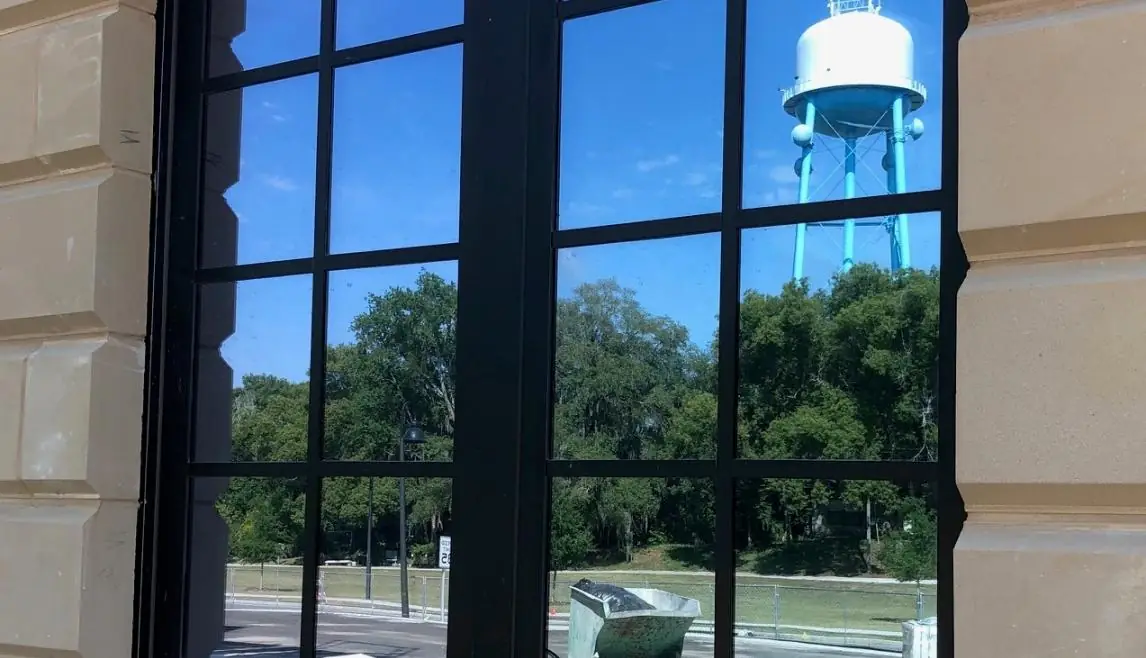
The phrase best storm windows for rental properties frequently appears in residential investment literature as a shorthand for pre-engineered retail packages or low-maintenance building upgrades. Yet, in professional property management and architectural conservation, treating secondary glazing design as a monolithic retail commodity introduces severe conceptual flaws. A strategy that succeeds in a high-end luxury condominium rental may fail catastrophically when applied to a student housing portfolio or a multi-family workforce housing complex.
Multi-Perspective Analysis
From a manufacturing viewpoint, producers prioritize extruded aluminum durability, low material acquisition costs, and ease of mass production. Meanwhile, from a property investor perspective, the primary metric of success is capital expenditure payback period, resistance to tenant abuse, and minimal ongoing maintenance overhead. Furthermore, from a building physics viewpoint, success is defined strictly by thermal transmittance reduction, air leakage ratings, and precise dew-point management of the intervening air cavity. When portfolio operators evaluate the best storm windows for rental properties across different leasing archetypes, they must weigh these competing metrics against local municipal housing codes and tenant turnover frequencies.
Common Misunderstandings and Oversimplifications
A pervasive misconception in rental property management is that adding any secondary glass panel automatically reduces utility overhead without requiring operational oversight. In reality, thermal performance is governed by the thickness of the trapped air space and the integrity of perimeter seals. An air gap of less than one-half inch restricts convective looping, while an air gap exceeding one inch induces internal convective currents that degrade the U-factor.
Another dangerous oversimplification assumes that tenant-operated storm windows can withstand rough handling. If a rental unit features delicate tracks, intricate latches, or breakable glass sashes operated by transient occupants, mechanical failure rates spike rapidly. Professional evaluation must look at the entire assembly as an integrated system balancing thermal efficiency against tenant-proof physical durability.
Deep Contextual Background
The lineage of secondary glazing traces back centuries, evolving from temporary seasonal expedients to highly engineered building envelope components. In pre-industrial vernacular architecture, cold-climate dwellers routinely installed primitive wooden auxiliary frames glazed with thin glass or oiled paper during autumn months. Although these seasonal interventions were labor-intensive, they acknowledged a fundamental truth: a single pane of glass offers negligible resistance to thermal conduction.
By the mid-twentieth century, the widespread commercial availability of extruded aluminum created a manufacturing revolution. Lightweight, corrosion-resistant, and easily mass-produced, aluminum triple-track storm windows became ubiquitous across suburban and urban rental housing stock. These units integrated self-storing glass and insect screen panels, sliding on vertical tracks to allow seasonal tenant ventilation. While revolutionary for post-war energy conservation and low initial capital outlay, standard unthermalized aluminum frames possessed a severe thermodynamic flaw. Aluminum is an exceptional thermal conductor, creating a thermal bridge that fostered condensation, interior frost formation, and subsequent water damage to rental sills.
As energy codes tightened and utility costs escalated in the late twentieth and early twenty-first centuries, the rental housing industry pivoted. Property owners demanded higher durability, better thermal performance, and lower maintenance overhead. Manufacturers introduced thermal breaks into aluminum framing, engineered rigid vinyl and pultruded fiberglass composites, and incorporated impact-resistant glazing materials. Today, modern interior and exterior secondary glazing units utilize tempered safety glass, heavy-duty cam latches, and custom architectural extrusions designed specifically for multi-family tenancy. This evolution reflects a growing recognition that retaining and retrofitting existing fenestration is vastly more cost-effective than replacing windows during tenant turnover cycles.
Conceptual Frameworks and Mental Models
Analyzing the deployment of secondary glazing across rental portfolios requires robust mental models that connect material durability to operational financial performance.
1. The Tenant Operability vs. Envelope Integrity Model
This model evaluates secondary glazing based on how tenant interaction impacts long-term seal integrity. In rental environments, moveable sashes are frequently forced, slammed, or left open during inclement weather. Systems requiring complex manual operation fail quickly, whereas fixed or securely restricted assemblies maintain envelope integrity despite tenant turnover.
2. The Capital Payback vs. Lease Duration Horizon
Property investors must align equipment lifespan with lease structures and holding periods. Low-cost aluminum triple-tracks offer short-term utility savings but require frequent hardware repairs between tenants. Conversely, commercial-grade fiberglass or heavy aluminum systems require higher initial capital expenditure but deliver predictable performance across multi-year asset holding horizons.
3. The Interstitial Cavity Thermodynamics Model
This model treats the space between the primary window and the storm window as a closed thermodynamic buffer. The primary objective is to optimize conductive and convective resistance while controlling moisture vapor diffusion, preventing tenant-generated indoor humidity from condensing and rotting structural sub-sills.
4. The Maintenance Burden Multiplier
This mental model measures the cumulative labor hours property maintenance teams spend servicing window components. Systems with removable glass inserts that require seasonal storage and re-installation generate massive labor overhead across large rental portfolios, favoring permanently mounted self-storing designs.
Key Categories or Variations
Formulating optimal specifications requires a granular evaluation of frame materials, glass types, mounting configurations, and operational modes. Property owners seeking the best storm windows for rental properties often evaluate several distinct technological categories, each balancing cost, maintenance overhead, and thermal performance.
1. Exterior Triple-Track Heavy-Duty Aluminum Storm Windows
The most common multi-family commercial option. These units feature heavy-gauge extruded aluminum tracks with reinforced corners: two for glass panels and one for a mesh insect screen.
-
Trade-offs: They are highly durable against weather and feature self-storing sashes that tenants do not need to remove. However, unthermalized aluminum frames conduct cold rapidly, requiring thermal breaks to prevent condensation.
-
Best Use: Multi-family apartment complexes where self-storing ventilation and low maintenance are paramount.
2. Exterior Vinyl-Clad or Composite Storm Windows
Rigid vinyl-wrapped or composite frames engineered to resist scratching, denting, and corrosion without requiring painting.
-
Trade-offs: They provide superior thermal resistance compared to bare aluminum and never require painting. Yet, low-grade vinyl can warp under intense solar heat if reinforcement is inadequate.
-
Best Use: Garden apartments and suburban rental portfolios seeking low maintenance and moderate energy savings.
3. Interior Fixed Magnetic Acrylic Panels
A lightweight interior system utilizing optically clear acrylic or polycarbonate sheets held in place around the window perimeter by heavy-duty magnetic strips.
-
Trade-offs: They are inexpensive, highly effective at stopping drafts, and removable only by maintenance staff. However, acrylic scratches easily if tenants clean them improperly and offers no operational ventilation.
-
Best Use: Multi-story urban rental apartments where exterior access is restricted and tenants are restricted from opening windows.
4. Interior Compression-Fit Tempered Glass Storm Windows
Engineered aluminum or composite frames fitted with tempered safety glass that press-fit directly into the interior window casing using spring-loaded mechanisms.
-
Trade-offs: They deliver commercial thermal performance with real glass clarity and eliminate exterior fall risks. Nevertheless, heavy glass panels require careful handling by maintenance crews during turnover.
-
Best Use: High-rise rental buildings where window-washing anchor requirements make exterior maintenance hazardous.
5. Fixed Exterior Architectural Storms with Tempered Glass
Permanent single-pane glass panels mounted to the exterior trim, utilizing heavy-gauge frames and structural silicone sealants.
-
Trade-offs: They offer exceptional weather sealing and robust storm protection against wind-driven rain and tenant vandalism. However, they completely eliminate natural ventilation.
-
Best Use: Basement apartments, ground-floor commercial storefronts, and utility spaces.
6. Low-E Coated Commercial Storm Inserts
An advanced specification applied across various frame types, utilizing microscopic metallic oxide layers that reflect long-wave infrared thermal radiation back into the interior space.
-
Trade-offs: They dramatically improve U-factor performance and help meet strict municipal energy efficiency mandates. Still, they increase initial capital expenditure per unit.
-
Best Use: Rent-controlled or luxury portfolios facing stringent local carbon-reduction ordinances.
Comparative Evaluation Matrix
| Category | Typical U-Factor Range | Initial Cost | Tenant Resistance | Maintenance Requirement | Ventilation Capability |
| Heavy-Duty Aluminum Triple-Track | 0.38 – 0.52 | Moderate | High (Self-storing) | Low (Track lubrication) | High (Movable sashes + screen) |
| Vinyl-Clad / Composite Exterior | 0.34 – 0.46 | Moderate | Moderate | Low (Wipe clean) | Moderate (Operable options available) |
| Interior Magnetic Acrylic | 0.30 – 0.44 | Low | High (Inaccessible) | Moderate (Scratch care) | None (Staff managed) |
| Interior Compression Tempered Glass | 0.28 – 0.38 | High | High (Inaccessible) | Low (Glass cleaning) | None (Staff managed) |
| Fixed Exterior Architectural | 0.36 – 0.48 | Moderate | High (Permanent) | Low | None |
Realistic Decision Logic
Choosing among the top design strategies depends on balancing local climate severity, tenant turnover rates, and property asset class. In standard multi-family workforce housing with high tenant turnover, heavy-duty aluminum triple-track storms with self-storing sashes represent the best storm windows for rental properties because they prevent tenants from removing and losing glass panels. In contrast, for student housing portfolios where window operation frequently results in accidental damage, fixed interior magnetic acrylic or non-operable compression inserts eliminate tenant-induced mechanical failures entirely. When managing historic brownstone rental units subject to exterior aesthetic oversight, custom exterior wood-clad or thermally broken aluminum units maintain architectural compliance while protecting the asset.
Detailed Real-World Scenarios
Analyzing practical deployment requires examining concrete scenarios where boundary conditions dictate specific engineering choices in rental portfolio management.
A : A 50-Unit Garden Apartment Complex in Chicago
-
Context: A mid-century brick garden apartment portfolio experiencing high heating utility costs and frequent tenant complaints regarding winter drafts. Tenant turnover averages thirty percent annually.
-
Constraints: Moderate capital improvement budget; property management staff handles all turnover maintenance.
-
Decision Path: The management company selects heavy-duty extruded aluminum triple-track storm windows featuring thermal breaks and tempered safety glass. The self-storing design allows tenants to adjust ventilation without removing sashes.
-
Failure Modes & Second-Order Effects: Because maintenance crews omit weep-hole cleaning during annual turnover prep, spring rainstorms cause water to pool in the bottom tracks, overflowing into interior drywall returns. Mitigation requires establishing a mandatory turnover checklist item specifically for clearing aluminum sill drainage channels.
B : A Student Housing Portfolio Near a Major University
-
Context: Older multi-family apartment buildings housing college students. Windows are subjected to heavy physical abuse, unauthorized alterations, and frequent window-slamming.
-
Constraints: Extremely high tenant turnover; zero tolerance for fragile mechanical latches or loose glass panels.
-
Decision Path: Property management replaces all exterior storms with heavy-gauge fixed architectural storm panels utilizing thick tempered glass and tamper-proof security fasteners. Operable ventilation is entirely centralized via mechanical hallway ventilation systems.
-
Failure Modes & Second-Order Effects: Eliminating operable windows stops tenant-induced damage entirely, but completely removes natural cross-ventilation during shoulder seasons, leading to elevated indoor humidity complaints. The correction involves installing through-wall mechanical extract fans in kitchens and bathrooms.
C : Historic Brownstone Conversions in Philadelphia
-
Context: A portfolio of 19th-century brick brownstones converted into luxury rental apartments, subject to municipal historic preservation commission rules.
-
Constraints: Exterior alterations must match original architectural sightlines; tenants expect high-end acoustic and thermal comfort.
-
Decision Path: Installation of custom exterior wood-clad thermal storm windows on the front facade, and interior magnetic compression glass panels on the rear facade. This dual approach satisfies historic mandates while delivering elite energy performance.
-
Failure Modes & Second-Order Effects: The high cost of custom wood-clad framing extends the capital payback period significantly. Consequently, management offsets this by marketing the apartments as high-efficiency green living spaces, commanding higher monthly rental rates to preserve net operating income.
Planning, Cost, and Resource Dynamics
Executing a secondary glazing retrofit across a rental portfolio requires rigorous financial modeling that incorporates direct acquisition expenses, installation labor allocation, and long-term operating cost offsets.
Cost Structure Breakdown
Financial modeling for investment properties must distinguish between upfront capital outlay and operational expense savings. While purchasing low-end retail storm windows reduces initial capital expenditure, frequent replacement cycles driven by tenant wear quickly erode projected savings. Commercial-grade heavy-duty aluminum or composite systems require higher upfront investment but amortize reliably over a ten-to-fifteen-year asset depreciation schedule.
Opportunity Costs and Trade-offs
Investing capital in building envelope retrofits diverts funds from interior unit cosmetic upgrades. However, lowering tenant utility burdens in triple-net or utility-inclusive rental structures directly protects net operating income. Evaluating these trade-offs requires analyzing local utility inflation rates against projected capital expenditure amortization schedules.
Range-Based Financial Matrix
| Metric / Expense Item | Entry-Tier (Retail Aluminum) | Mid-Tier (Commercial Triple-Track) | Premium-Tier (Custom Historic / Thermal) |
| Material Cost per Opening | $60 – $150 | $180 – $350 | $450 – $1,200+ |
| Installation Labor per Opening | $40 – $100 | $90 – $200 | $250 – $600 |
| Expected Asset Lifespan | 5 – 8 years | 12 – 20 years | 25 – 40+ years |
| Turnover Maintenance Overhead | High (hardware repairs) | Low (lubrication/adjustment) | Minimal (periodic sealing) |
| Estimated Portfolio Energy Savings | 8% – 15% | 15% – 25% | 25% – 35% |
Tools, Strategies, and Support Systems
Successful installation and long-term portfolio performance rely on deploying specialized tooling, diagnostic instruments, and standardized maintenance support systems.
-
Digital Laser Distance Meters: Essential for maintenance crews to record precise millimetric window opening dimensions across multi-unit portfolios before ordering custom retrofits.
-
Thermal Imaging Infrared Cameras: Deployed by property engineers during annual portfolio audits to identify thermal bridging and defective window seals across apartment facades.
-
Digital Manometers and Blower-Door Testing Kits: Used to quantify baseline air leakage rates across representative rental units before and after secondary glazing installation.
-
Tamper-Resistant Security Fasteners: Specialty installation screws requiring proprietary driver bits, preventing unauthorized tenant disassembly of exterior storm frames.
-
Pneumatic Riveting Tools: Heavy-duty fastening equipment ensuring robust, vibration-resistant assembly of multi-track commercial storm frames in high-rise applications.
-
Silicone and Polyurethane Sealants: High-grade elastomeric compounds used by maintenance teams to maintain waterproof exterior perimeters across seasonal thermal expansion cycles.
-
Standardized Maintenance Management Software (CMMS): Digital platforms configured to schedule biannual window lubrication and gasket inspection tasks across portfolio asset management systems.
Risk Landscape and Failure Modes
Ignoring the complex building physics and operational dynamics of secondary glazing across rental properties introduces severe structural, financial, and legal risks.
Taxonomy of Failure Modes
-
Tenant-Induced Mechanical Jamming: Tenants forcing sliding sashes past their travel stops, bending tracks and breaking locking hardware, resulting in unsecured openings.
-
Interstitial Condensation and Mold Liability: Warm, humid indoor air leaking into the dead-air cavity and condensing on cold exterior glass, fostering black mold growth that triggers tenant health liabilities and code violations.
-
Improper Sash Removal and Fall Hazards: Tenants unhooking upper glass panels to clean them from inside upper-floor apartments, creating severe vertical fall hazards and liability exposure.
-
Thermal Stress Cracking: Solar heat buildup trapped within unvented interstitial cavities causing thermal shock fractures in single-pane primary glass.
Compounding Risks
These failure modes frequently interact in multi-family environments. For example, a tenant attempts to force a jammed aluminum sliding storm open, bending the frame and destroying the weatherstripping seal. This breach allows indoor humidity to flood the interstitial cavity, where it condenses on the cold metal frame and drips down into the structural wooden sill. Over multiple leasing cycles, unaddressed moisture rots the wooden sub-sill. The structural frame eventually collapses, exposing the property owner to major structural remediation expenses and tenant displacement costs.
Governance, Maintenance, and Long-Term Adaptation
Maintaining the performance and structural integrity of secondary glazing across a rental portfolio requires institutionalized monitoring protocols and structured maintenance schedules.
Monitoring and Review Cycles
Property management teams should execute a standardized window audit protocol during every tenant turnover cycle, supplemented by an annual portfolio-wide engineering review. The primary objective is to verify track alignment, check weatherstripping elasticity, and inspect interior sills for moisture staining.
Adjustment Triggers
-
Trigger 1: Visual evidence of water pooling or mold formation within the interstitial cavity mandates immediate seal inspection and weep-hole clearing by maintenance staff.
-
Trigger 2: Tenant reports of drafts or rattling sashes during high winds indicate gasket compression fatigue, requiring immediate weatherstripping replacement during turnover.
-
Trigger 3: Binding or difficulty during the operation of sliding aluminum tracks signals thermal frame distortion or track damage, requiring immediate hardware servicing.
Layered Maintenance Checklist
-
Inspect exterior sill weep holes during every tenant turnover to ensure cleaning residue or paint does not block drainage channels.
-
Lubricate sliding tracks and mechanical latches semiannually using dry silicone sprays to prevent friction wear and tenant jamming.
-
Audit perimeter caulking bonds annually to prevent moisture infiltration into surrounding structural brickwork and wood framing.
-
Verify the security of all safety latches and window stops during annual life-safety inspections to prevent fall hazards.
Measurement, Tracking, and Evaluation
Validating the return on investment and structural safety of secondary glazing across an investment portfolio requires combining quantitative financial metrics with qualitative tenant feedback.
Leading vs. Lagging Indicators
-
Leading Indicators: Proper installation torque, verified U-factor compliance ratings, and standardized turnover inspection completion rates. These predict asset protection before seasonal stress occurs.
-
Lagging Indicators: Year-over-year utility consumption reductions, lower tenant turnover rates related to thermal comfort, and zero moisture-related code violations.
Qualitative vs. Quantitative Signals
Quantitative evaluation relies on portfolio utility billing regression analyses and digital work-order tracking data. Qualitative signals include tenant satisfaction survey responses regarding indoor draft elimination and perceived apartment comfort.
Documentation Protocols
Maintaining a centralized digital asset management record ensures long-term capital planning accuracy. The documentation schema should include:
-
Portfolio Fenestration Baseline Audit: Initial inventory of window dimensions, frame conditions, and U-factor ratings across all properties.
-
Capital Installation and Warranty Record: Manufacturer specifications, contractor installation sign-offs, and warranty expiration tracking.
-
Turnover Maintenance Log: Standardized inspection checklists completed by maintenance technicians during every apartment turnover cycle.
Common Misconceptions and Oversimplifications
Clarifying the technical and financial realities surrounding secondary glazing requires dismantling widely held management myths that compromise portfolio performance.
-
Myth 1: Any cheap retail storm window is adequate for rental properties.
-
Correction: Low-end retail units lack the structural gauge and hardware durability required to survive frequent tenant abuse, resulting in rapid replacement costs.
-
-
Myth 2: Tenants will properly maintain and adjust operable storm windows.
-
Correction: Transient occupants rarely perform proactive maintenance; systems must be engineered for idiot-proof durability and minimal user intervention.
-
-
Myth 3: Secondary glazing eliminates the need for primary window maintenance.
-
Correction: Auxiliary units protect primary windows, but rotting historic wood sills must be repaired prior to installation to prevent structural failure.
-
-
Myth 4: Plastic acrylic panels perform identically to glass in multi-family settings.
-
Correction: Acrylic scratches easily under aggressive tenant cleaning regimens and degrades under ultraviolet radiation, requiring frequent cosmetic replacement.
-
-
Myth 5: Storm windows cannot meet modern urban energy efficiency codes.
-
Correction: High-performance commercial storm windows equipped with Low-E glass coatings achieve thermal performance levels rivaling full window replacements at a fraction of the cost.
-
-
Myth 6: Exterior storms always ruin the architectural aesthetic of historic rentals.
-
Correction: Custom-profiled wood and thermally broken aluminum exterior storms designed to match historic sightlines preserve architectural integrity while satisfying preservation boards.
-
Ethical, Practical, and Contextual Considerations
The deployment of secondary glazing in rental housing intersects directly with tenant health, housing affordability, and urban sustainability mandates. In many municipalities, substandard thermal envelopes contribute to severe indoor draftiness and mold growth in low-income housing, directly impacting tenant respiratory health. Installing durable secondary glazing provides an economically viable mechanism for landlords to upgrade living conditions without resorting to aggressive gentrification or displacement through massive capital improvement rent hikes.
Furthermore, in rent-regulated markets, capital improvement cost-recovery regulations often limit how much landlords can increase rents for major upgrades. Because secondary glazing installation represents a lower capital outlay than full window replacement, property owners can achieve compliance with local carbon-reduction mandates and energy efficiency standards without triggering prohibitive financial strains or regulatory hurdles. This alignment of economic feasibility, tenant health, and environmental stewardship establishes secondary glazing as a cornerstone of sustainable residential property management.
Conclusion
Secondary glazing represents an essential synthesis of building physics and asset management strategy for rental housing portfolios. By addressing the severe thermodynamic vulnerabilities of aging fenestration without requiring destructive full-building window replacements, these systems deliver verified energy savings, enhanced tenant comfort, and robust asset preservation. Achieving these outcomes demands an uncompromising rejection of short-sighted consumer shortcuts in favor of durable material specifications, rigorous turnover inspection protocols, and disciplined operational maintenance regimes. Whether deployed across a workforce housing portfolio or a historic urban brownstone array, the careful selection and management of secondary glazing stands as an indispensable pillar of modern real estate investment stewardship.